


June 9, 2026
This week’s insights on key commodities and market shifts—powered by CommodityONE, exclusively for Dining Alliance members.
Poultry
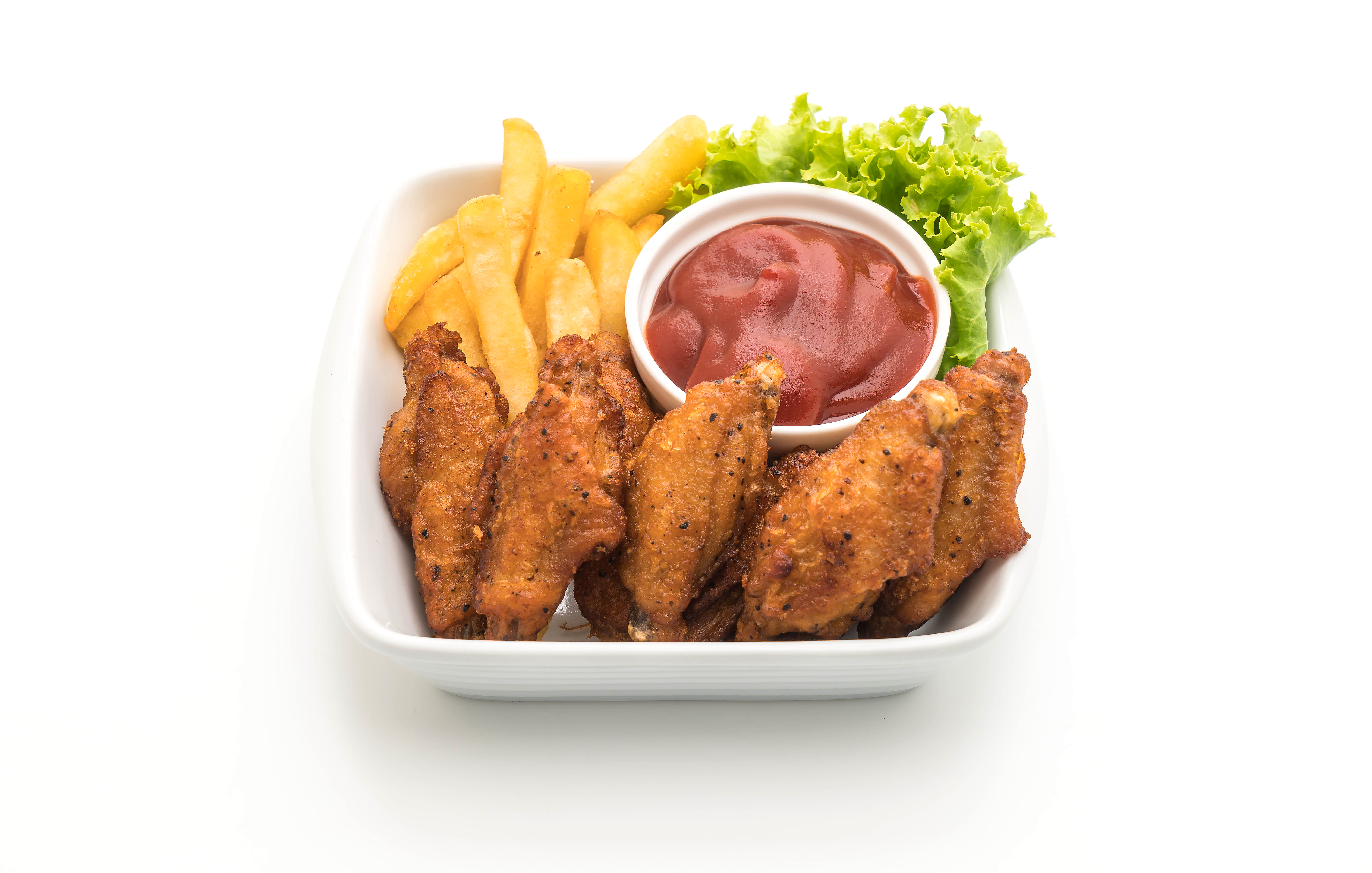
Chicken slaughter and production have risen (slaughter +10% vs. the holiday-shortened prior week; week ending May 30 production +2.7% vs. 2025) as the broiler flock shows +5% pounds per layer YTD. Front-of-bird items (wings, tenders, breasts) weakened last week while boneless/skinless thighs and leg quarters held firm; table eggs eased toward ~$0.50/dozen. Turkey is recovering from avian flu damage—April turkey output was +9.6% y/y but remains historically small—so supplies should build in coming months.
Outlook: Expect continued downward pressure on wings/tenders/breasts as chicken production stays strong, while turkey supplies gradually rebuild through the summer.
Beef
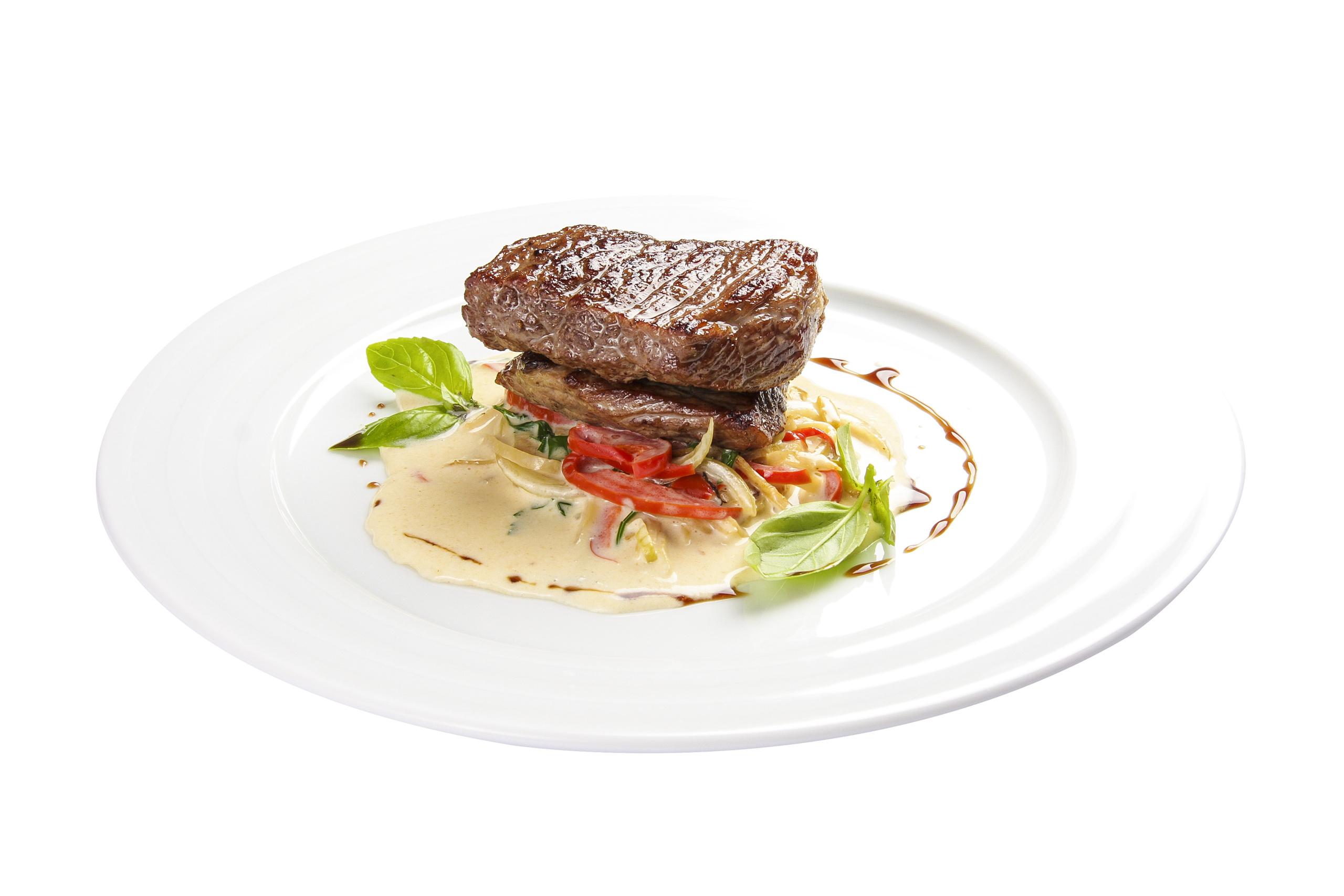
Beef production jumped sequentially (+19% vs. the holiday-shortened week) but remains about 4.3% below last year; cattle markets were volatile after the first U.S. New World Screwworm case since 1966 was found in Texas, adding risk and cost to herd rebuilding. Wholesale shows divergence—trim and choice cutout mostly firm (choice ribs up) while select and some steak cuts softened—helping drive hamburger inflation (~+16.4% y/y) versus only ~+2% for steaks.
Outlook: Expect continued split-market dynamics with trim-driven hamburger inflation persisting while higher-end steak prices remain comparatively tame, and watch disease-related herd risks for upside price volatility.

Pork
Pork production rose sharply (week +13.6% vs. prior week, +4.9% y/y) from higher slaughter and heavier carcass weights; nearby hog futures weakened and supplies may be larger than USDA currently expects. The pork cutout is up month-over-month (belly-led gains) but some primals fell sharply; retail pork hit record highs in April yet remains at a record discount to beef, and per-capita pork consumption growth is projected minimal (~+0.6%).
Outlook: With supplies rising and consumer demand only modestly improving, expect pressure on hog prices and mixed cut-level performance that limits a strong seasonal rally.

Seafood
Frozen snow crabs rose 7.6% month-over-month in March but March was likely the last quiet month before the 2026 import season kicked off in April; snow crab pricing has been highly volatile since COVID, and recent months interrupted the 2024–25 recovery. This year’s import season looks strong, which should help cap summer price spikes.
Outlook: Strong import volumes this season are likely to keep snow crab price gains muted over the summer and could even produce relief later in the year.
Produce
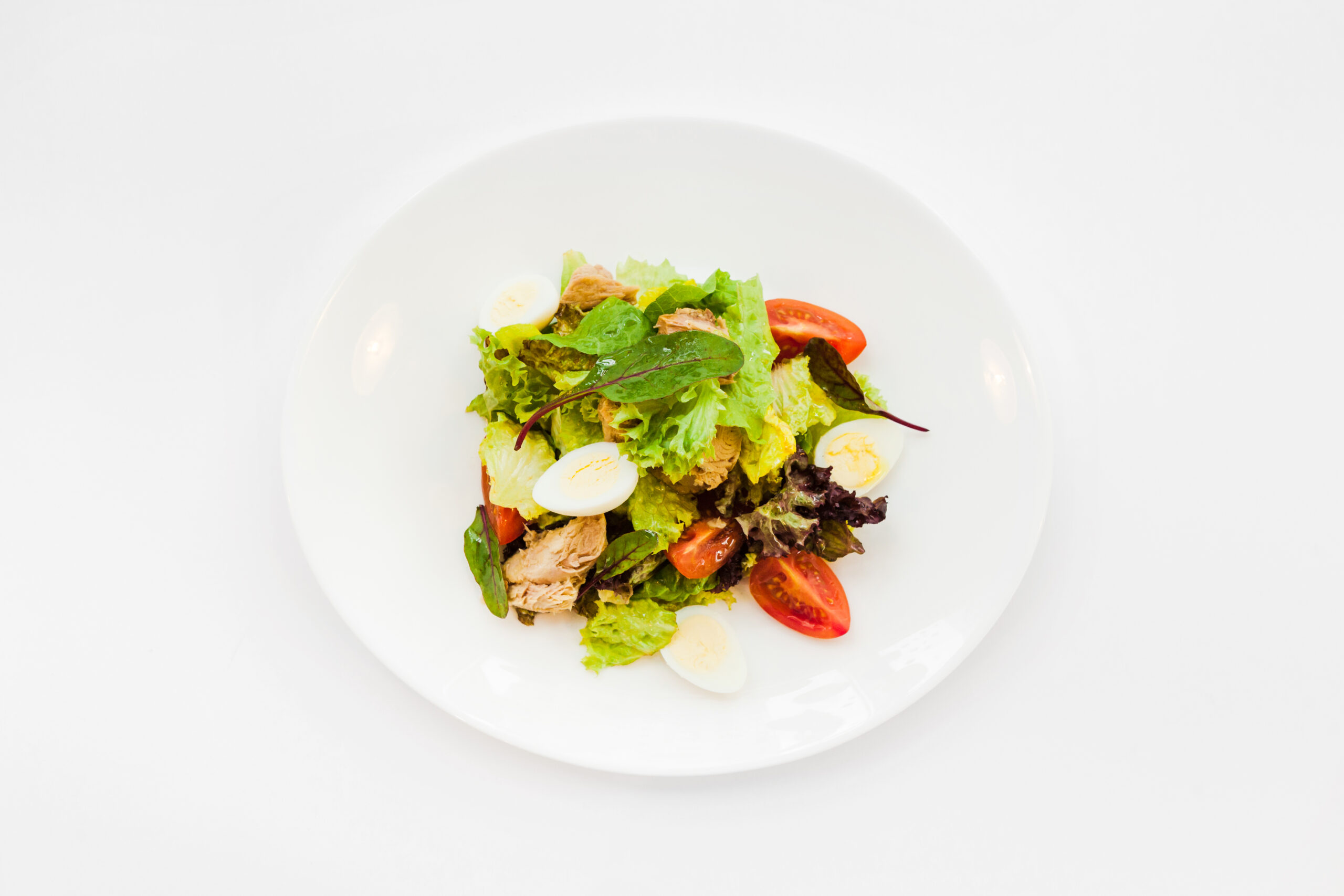
Avocados are the marquee mover—48-count Hass prices surged ~80% over two weeks to the highest since May 2025 after Mexico’s main crop ended early and California/Colombia couldn’t fully fill the gap; an earlier Loca (local) harvest should bring relief late in the month but buying pressure is likely near-term. Iceberg lettuce (24-count) eased off its YTD peak and is expected to trade around ~$20/carton through most of the summer.
Outlook: Avocado prices should remain elevated for the next couple weeks before easing as new local supplies arrive later in the month, while lettuce should stay broadly stable near $20/carton through summer.
The Kitchen Sink
Dairy
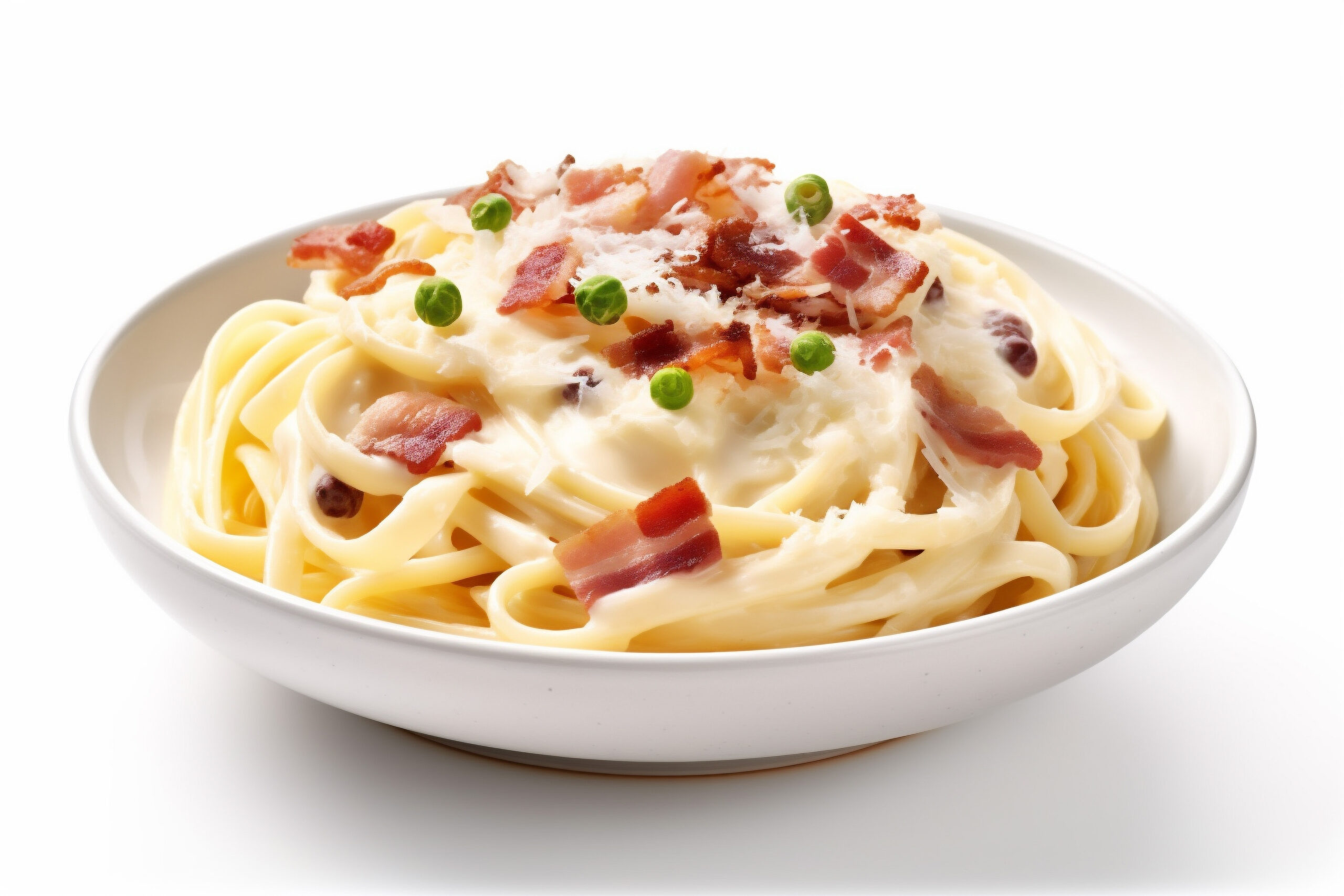
CME spot activity was light (only 10 swaps), with NDM and cheese down and butter firmer; milk output is seasonally easing in the Midwest/West while the Northeast increases. NDM hit historic highs earlier this spring (Q4 2025 output was down 3.1% y/y), but YTD 2026 NDM production is about +7% y/y and stocks are rebuilding—so the consensus is that NDM prices have likely peaked with limited downside.
Outlook: Nonfat dry milk appears to have peaked and may drift slightly lower or stabilize near current levels, while butter and cheese will see mixed movement depending on regional production and demand.
Grains
The grains sell-off continued, with soybeans joining the drop and even denting soybean oil’s rally; corn weakness is largely weather-driven as U.S. seasonal forecasts shifted, hitting negative momentum after the July contract moved from roughly $4.80 toward $4.20. Demand remains solid at lower levels, but technical momentum is pushing prices lower.
Outlook: Expect continued volatility and downside risk—corn could test the $4 area—although underlying demand may limit a deeper, sustained collapse.